
So you’re curious about how to start a stunning native pollinator garden! I understand it can be a bit overwhelming. I’ve found that if you take time to research and add a few plants each year, it’s much more manageable! I am based in Southern California, specifically in USDA Hardiness Zone 10a, but a lot of the plants I detail are California natives, not just SoCal. If you’re not located in California, there is still some valuable information in the first sections for you!
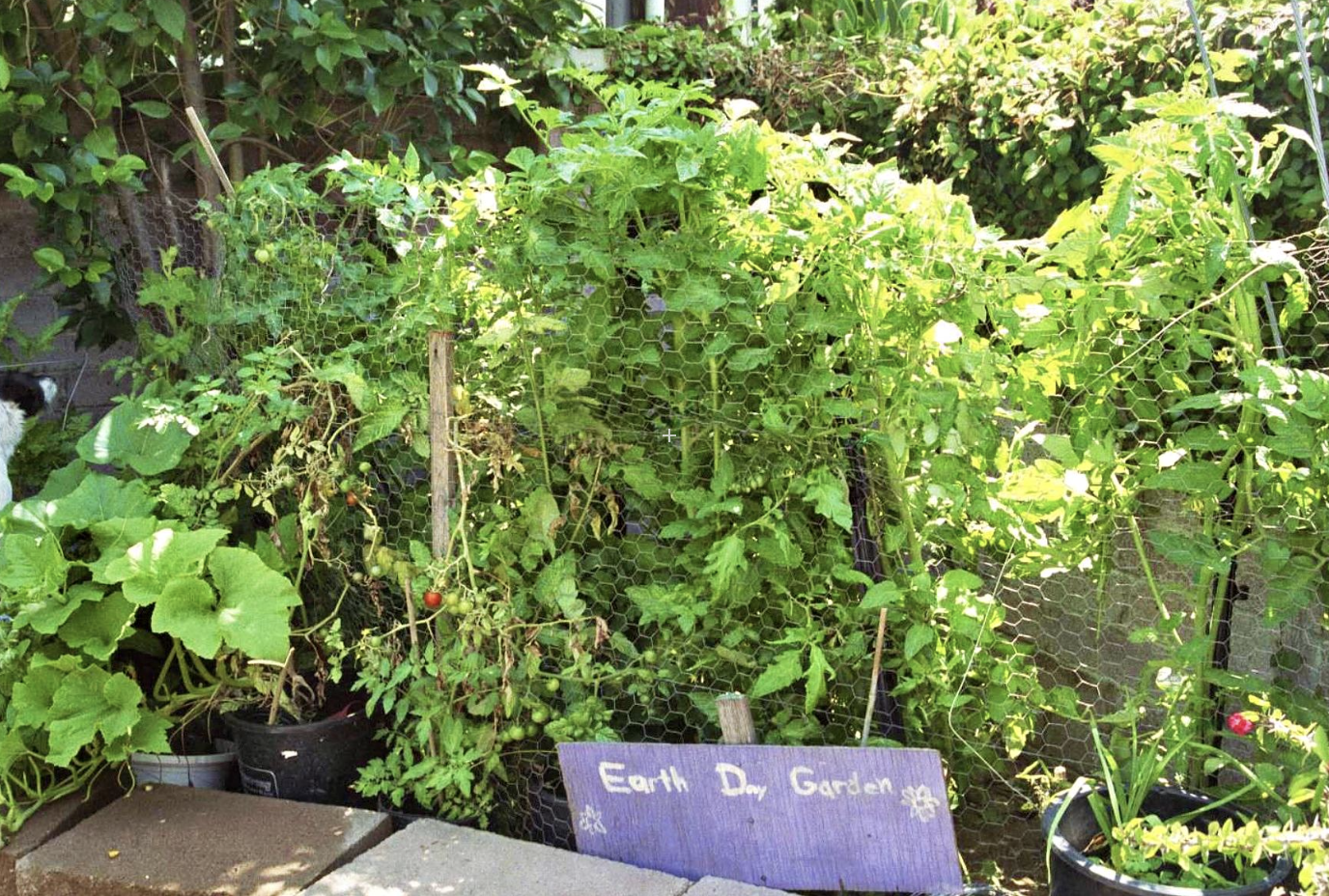
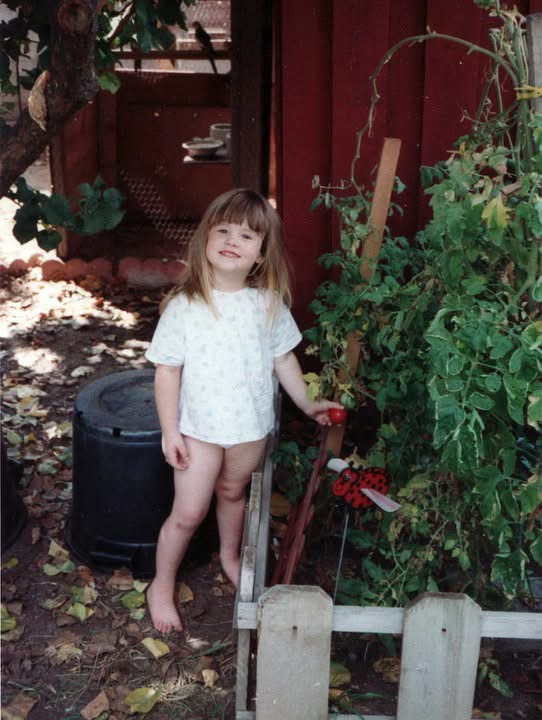
My inspiration for gardening will always come from memories of my dad’s gardens. He had a very green thumb. I have fond memories of going out into the garden and plucking cherry tomatoes off the plant and popping them into my mouth from a very early age. This is a photo from 2007, including an ‘Earth Day Garden’ sign that we still have. I’ve been meaning to spiff it up!
How to start a stunning native pollinator garden
Last year I started my journey of how to start a stunning native pollinator garden and decided to begin focusing on adding more perennials* into our garden. This year I totally upped my game! I was informed of a local Upper San Gabriel Valley plant voucher program through our city newsletter. If you’re local to SGV check out this link to see if you’re in one of the covered cities. The last time I checked the enrollment was on hold, but they have a waitlist.
The program has a focus on waterwise – low water & drought tolerant plants. They give you a list of qualifying plants that you can purchase with the voucher. Amongst all of those there were about seven that fit within my parameters of: perennial, pollinator-friendly AND native to California. The rest were perennial and pollinator-friendly!
*Perennials are plants that live for more than 2 years. Annuals only last 1 growing season.
If you are based outside the SGV, take some time to look into any local programs that may be available to you. One of my friends who is based in Glendora told me about a free tree program in her area, so there are definitely other avenues to make your garden dreams more affordable!
Take your time
Rather than buying a ton of new plants at once, start with a few each year! We started by adding 3 Narrowleaf Milkweed (Asclepias fascicularis) into the garden last year. This year I added close to a dozen new plants, but with careful research before. The only reason I got so many is because I wanted to utilize the plant voucher. I did a bit of research before we went to the nursery to have in mind what plants I would look out for.
Find time before you get the plants to walk your garden and see where you have space for new plants. I took photos of each spot. Take note of how much sun each spot gets. When you are shopping for plants there should be some info listed near the plants about their needs: sun, water, soil, etc. Take this into account when choosing your plants and location!
Find Support
I found a few gardeners to follow on instagram and tiktok that I really vibe with – mostly low effort, sharing straight facts, so find some that are gardening in your style. There are also a ton of facebook groups where people chat about gardening. Sign up for your local nurseries’ newsletters. Some of them send out informative seasonal information and then you won’t miss a sale!
Keep a Gardening Journal
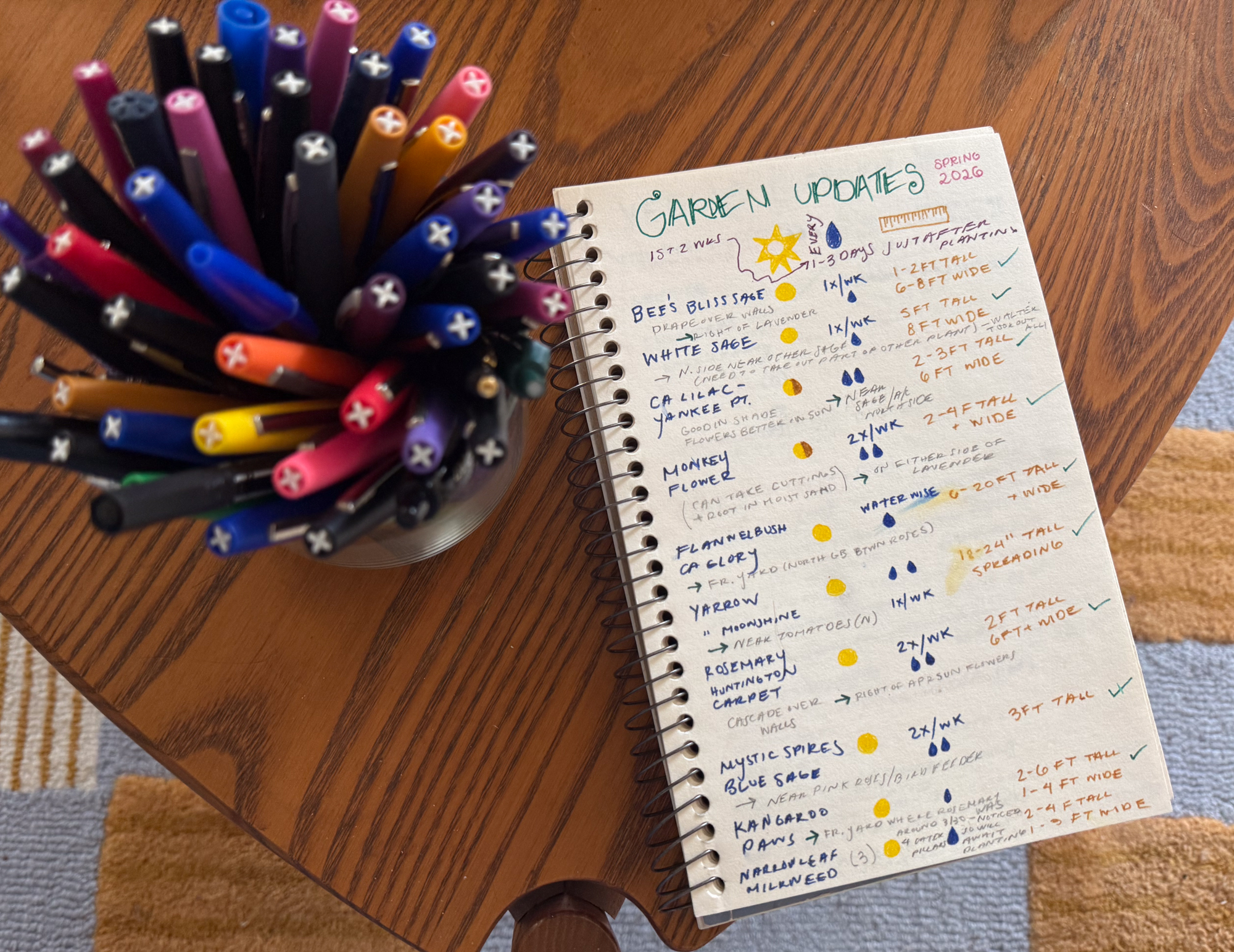
I found that writing everything down in one place is the most important step of how to start a stunning native pollinator garden. It really calmed the overwhelm of planting and keeping all of the new plants alive. You can start this at any stage. I wrote down all of the plants I purchased, then took my time documenting their needs for sun, water and how big they grow.
Garden View Nursery has wonderfully informative signs accompanying each plant on site; I took a picture of each of these to reference later. Once I got home with the plants, I walked the garden again and started taking notes on potential spots for each plant. You can edit this over the next few days while your plants get acquainted to your yard.
Prepare your plants
Let your plants get acquainted with your yard for a few days in their pots before you get them in the ground. At this time make sure to water them pretty frequently as the nursery pots do not retain water well.
Check your specific plants’ needs during planting. Note: all plants have different planting needs. On planting day be sure to have a big bucket or other container to fill with water. I found that all of these waterwise plants only really needed a nice soaking before being planted in the ground. This will take a few minutes per plant. Leave your plant in its pot and submerge in your container with water. You will notice air bubbles rising. Hold it down until these bubbles pretty much stop.
There may be a chance that you need to amend your soil to prepare for your plants, but I didn’t really do anything for mine. I had some pumice-like stones on hand that I added to the holes to help with aeration and drainage but I don’t think it was necessary.
Don’t use any pesticides on your plants, especially those for pollinators. I like to use Neem oil for my plants except for milkweed. Since the caterpillars will be eating the plant, you need to be careful. If ingested, the neem oil is poisonous to them. Dealing with issues on milkweed plants without any assists can be a struggle. I manually smooshed some aphids with a napkin, but have yet to figure out how to move the mantises so they won’t come back. I planted some sage and basil near one of the plants, which is supposed deter them, so we will see! See more info below in the plant list section
Companion planting is a really cool concept to look into as you’re going through this process. They can help each other with pest control, attracting beneficial insects, soil health and crop production (more on that in the edible plants post).
In my next blog post about starting an edible garden, you’ll see all of the other prep some plants will benefit from.
How to start a stunning native pollinator garden • plant list
Sources for plant info: Armstrong Garden Centers & Garden View Nursery
Note: a lot of the plants haven’t started blooming yet, but these photos are what they’re looking like now.
We’ve had these 2 plants for many years. They’re non-native, but I figured I would include them because the pollinators love them.
Hot Lips Sage: Non-native. Incredible red and white two-toned blooms above green foliage; though less hardy to temperature it is resilient to most other atmospheric effects, including pollution.
French Lavender: Non-native, but the bees love it and it has gotten huge (see below). This beautiful and aromatic flowering shrub is covered with purple flowers through summer.
How to start a stunning native pollinator garden • Garden View Nursery, Irwindale
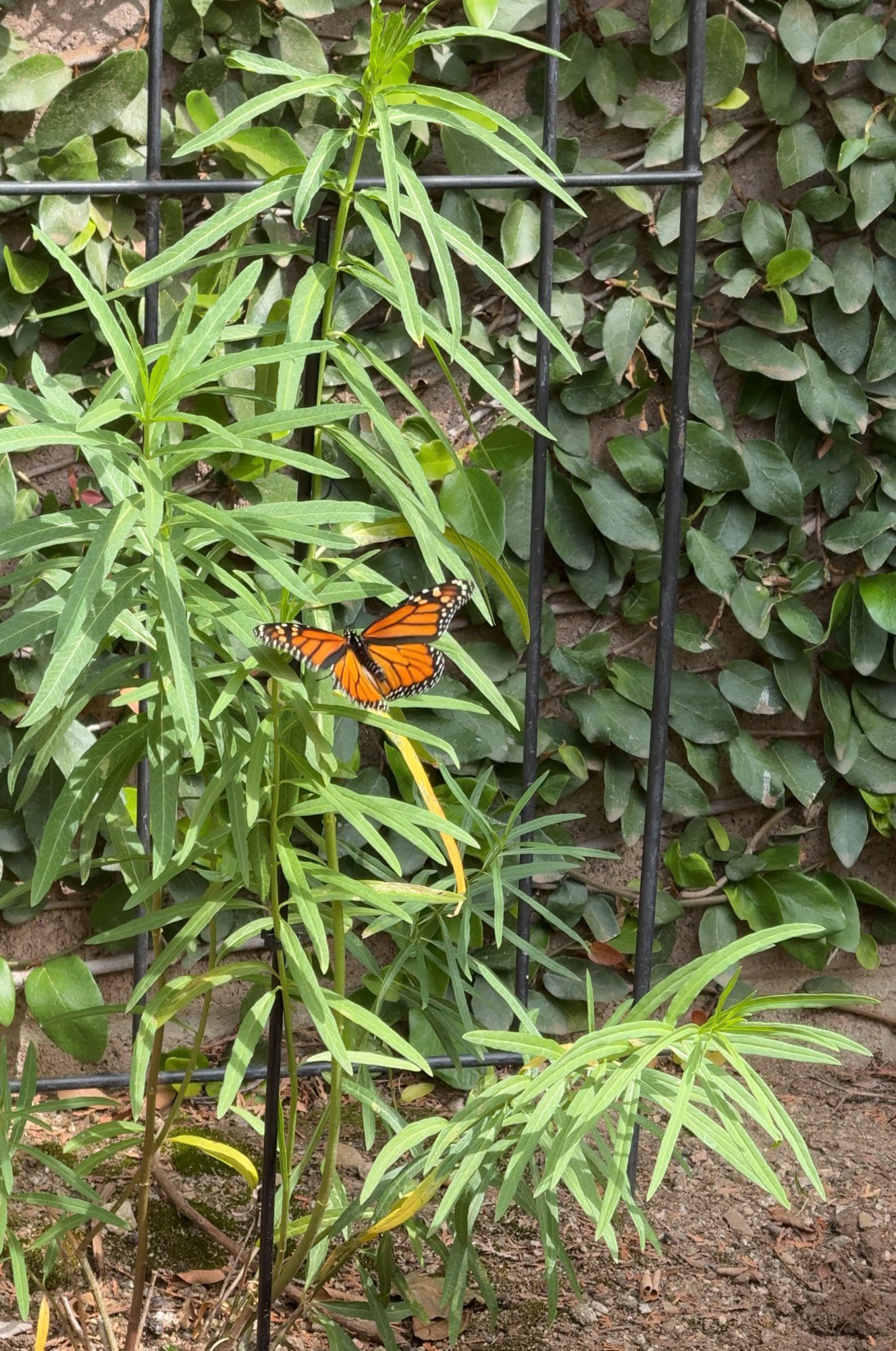
Narrowleaf Milkweed (Asclepias fascicularis): This easy care western North America native is a must for wildlife gardens. Flowers bloom atop thin stems with lancelike leaves. Will dieback in the Winter and come back in Spring just in time for the Monarchs! This is the only plant that Monarch caterpillars eat. There are various other kinds of milkweed, but from my research this is the best option for them. Armstrong is also a great source for Narrowleaf Milkweed. I recommend buying multiple of the 4″ plant because it’s much more cost effective than the larger ones, plus they’ll be growing bigger in no time. See more info above in the ‘prepare your plants’ section
Last year, when I bought our first milkweed plants, they were getting established and we have seen a ton of monarchs laying eggs this year. We have had some issues with predators (mantises, other bugs) and a virus called Nuclear Polyhedrosis Virus (NPV). Alas, I bought more plants to add to our yard and I am hopeful we will see some caterpillars get to the chrysalis stage eventually! I’ve found a lot of patience in the garden.
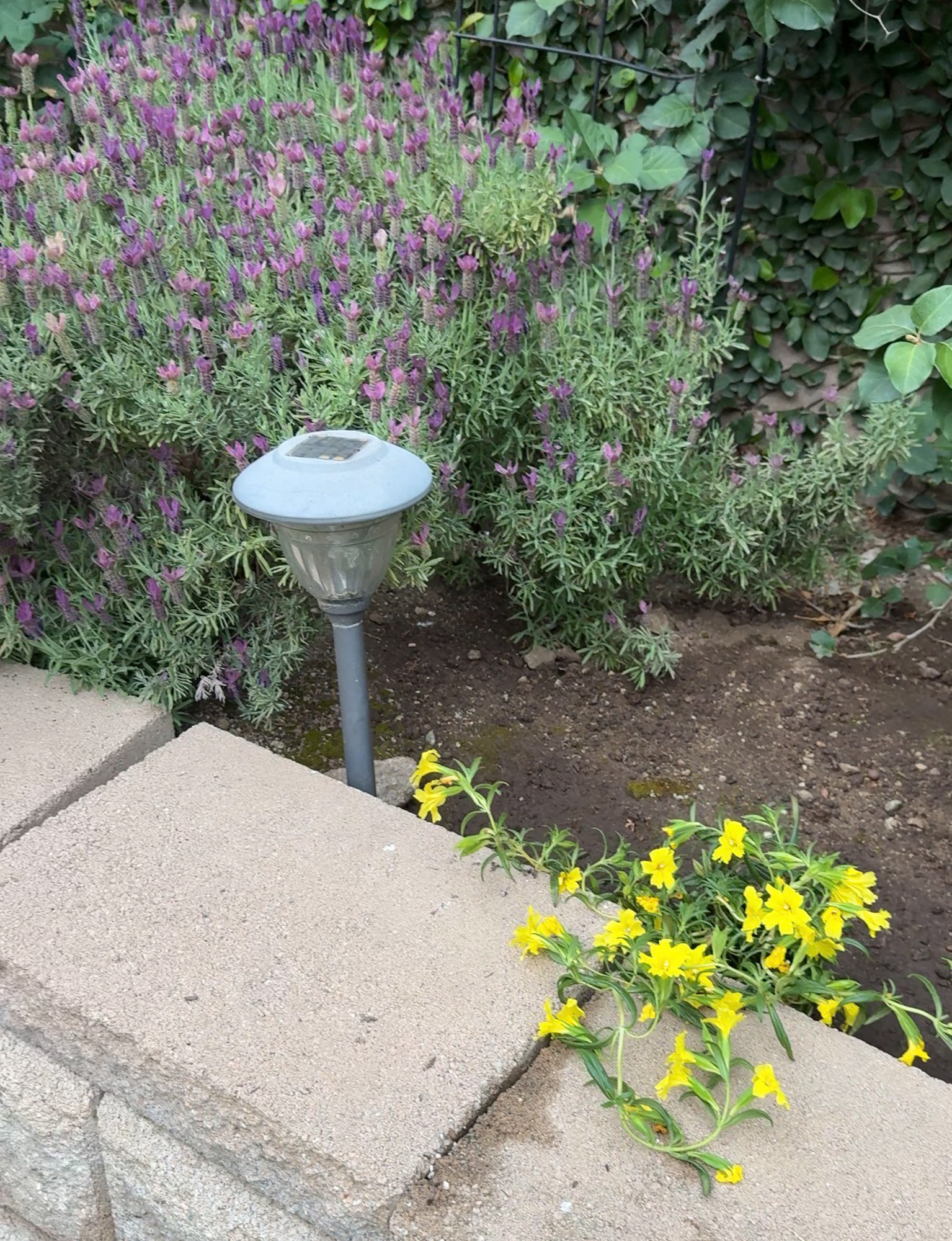
Monkey Flower (Mimulus aurantiacus): A stunning California native plant known for its narrow, sticky dark green leaves and vibrant flowers that bloom in abundance. After the initial blooming period, gently pinch back the tips to encourage more flowers to bloom in the fall. The plant may go dormant during a hot summer, but will come back in cooler times. Apparently, you can also take cuttings from the plant and root them in moist sand.
Fun Fact: This plant easily crosses with other mimulus varieties, resulting in hundreds of cultivars, so maybe try planting different colors or varieties near each other.
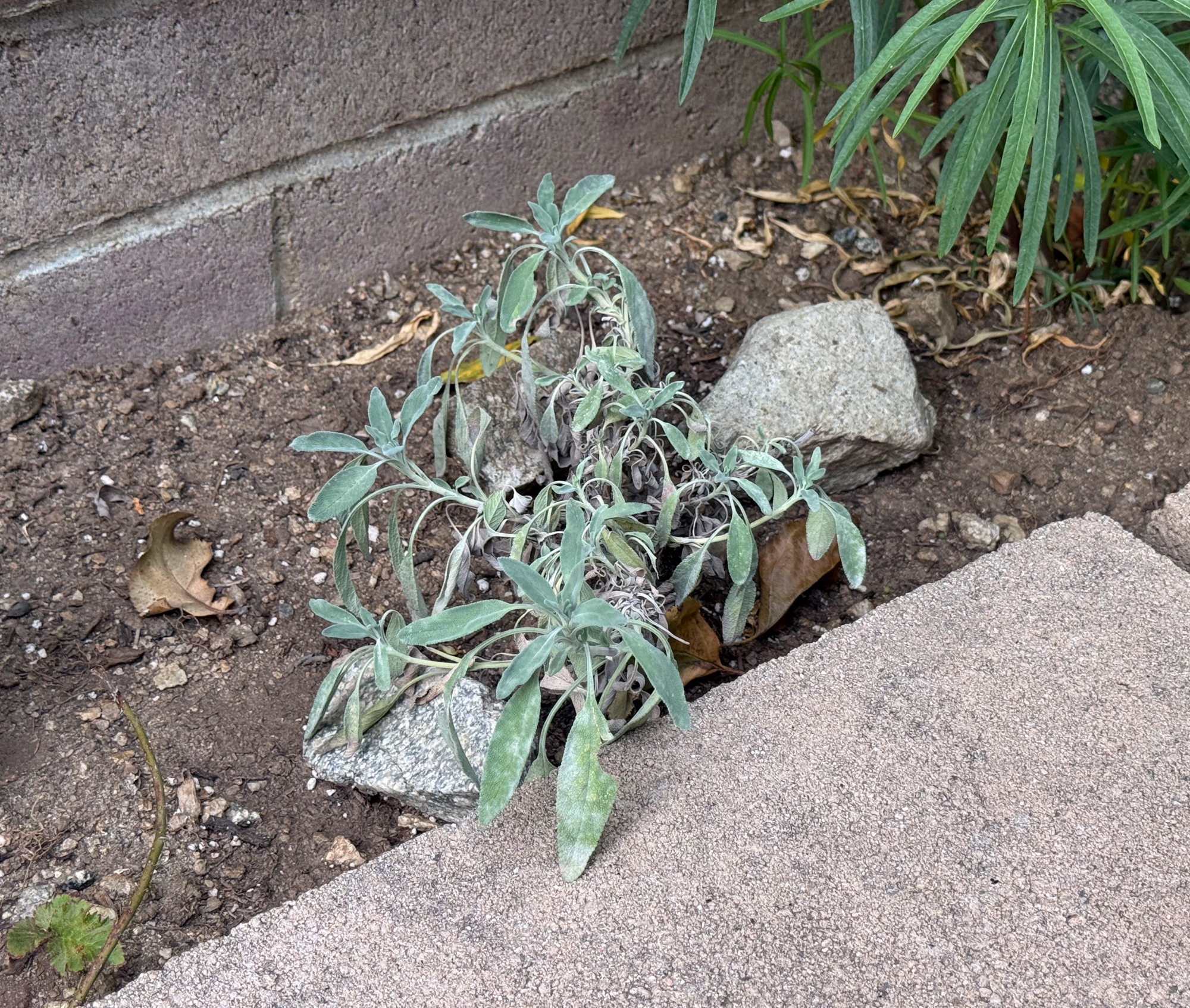
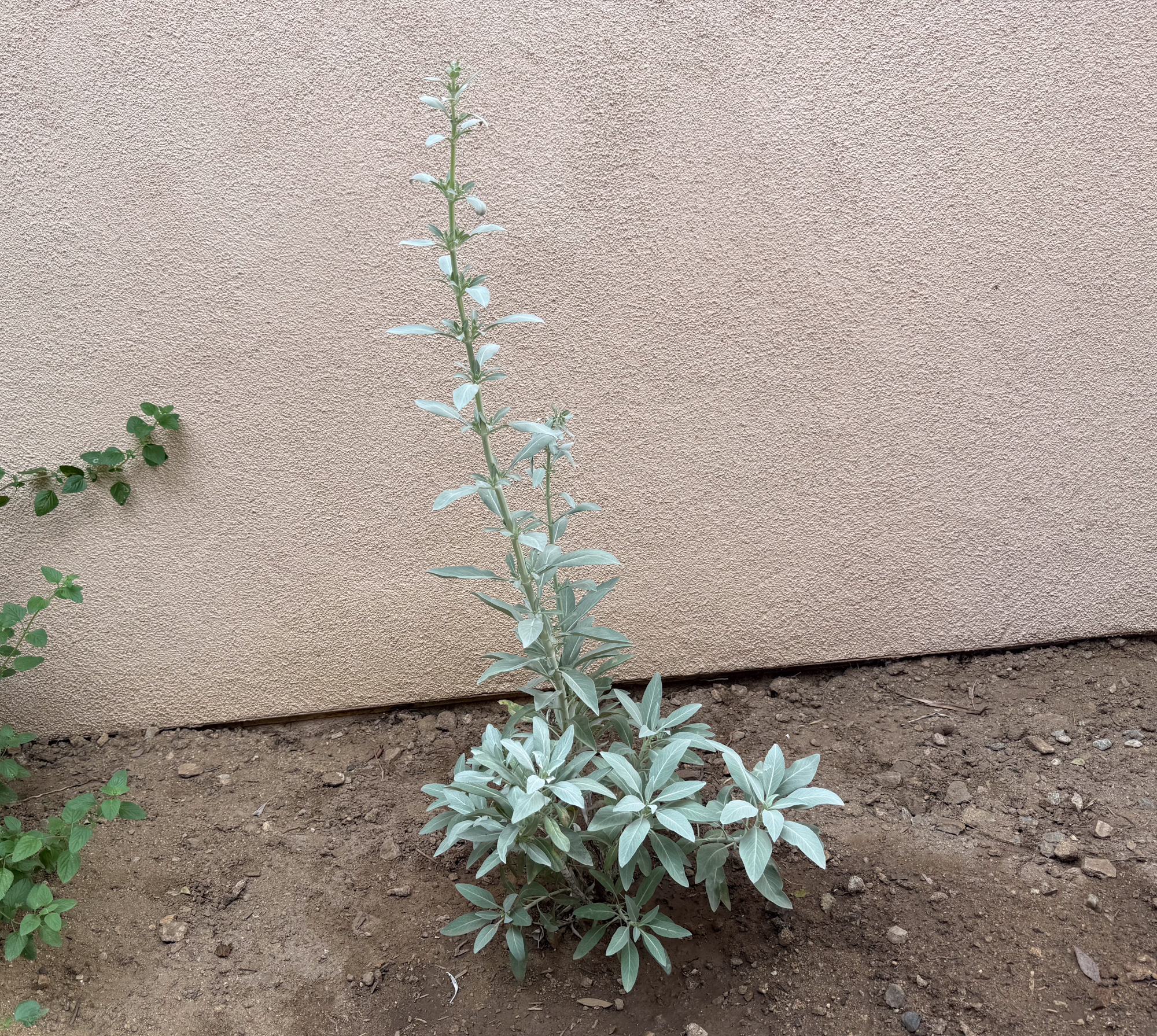
Bee’s Bliss Sage: This is a hybrid of sages native to California. It is a low growing evergreen shrub with grey green leaves and bright blue or violet-blue flowers. The perfect choice for attracting pollinators: bees, butterflies, and hummingbirds! Great ground cover or can be used to drape over walls.
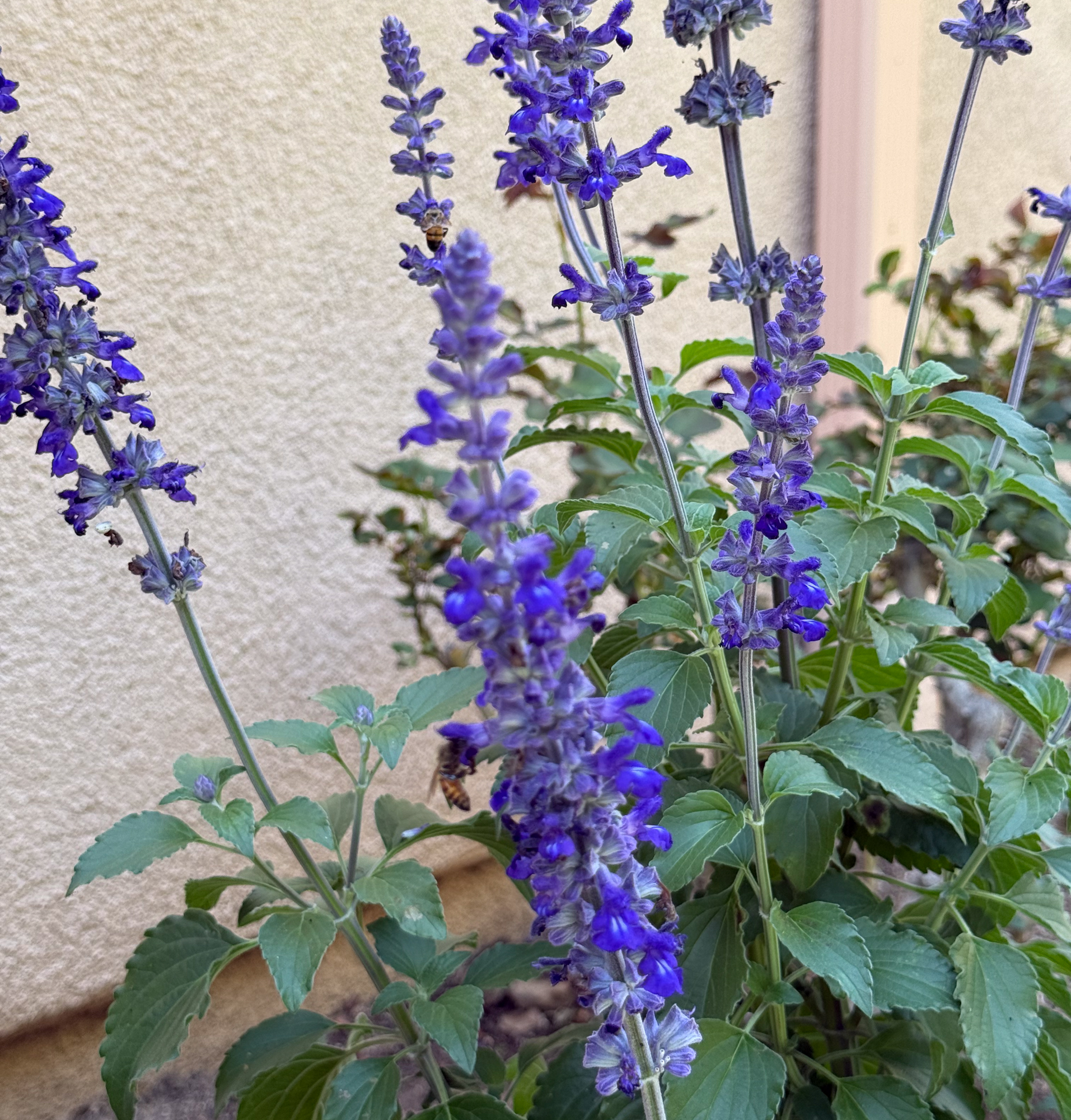
Mystic Spires Blue Sage: Non-native. A perennial in our mild SoCal winters. A compact and well-branched sage with dark green leaves and blue flowers. Attracts butterflies, hummingbirds, and other pollinators. I can attest to this! The bees have been all over this plant since before it was in the ground.
White Sage (Salvia Apiana): Native to Southern California. An evergreen shrub with beautiful, silvery-white aromatic leaves. Has showy spires of white flowers in the springtime. Attracts many pollinators including hummingbirds and butterflies.
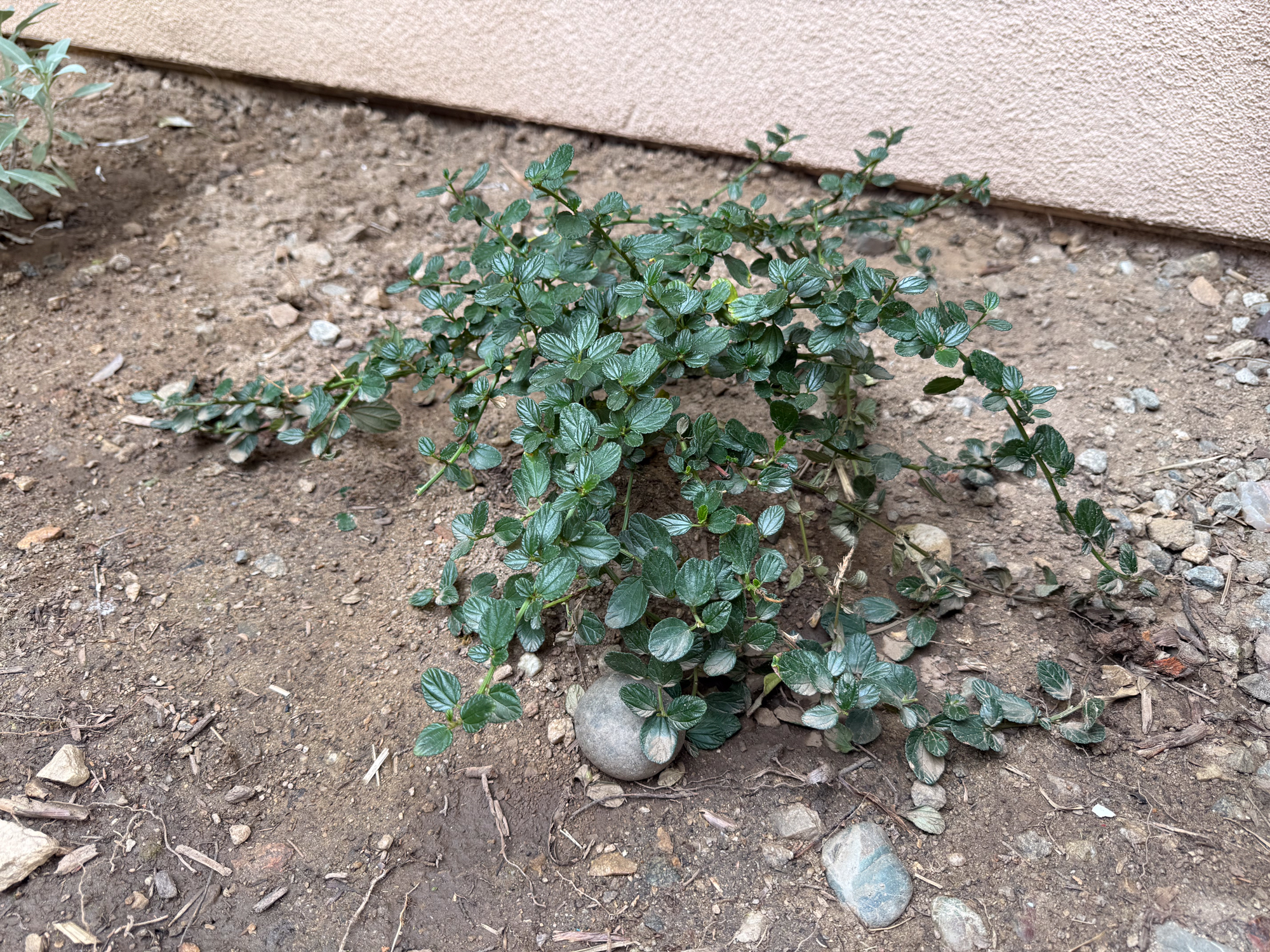
California Lilac – Yankee Point (Ceanothus griseus): Native to California. Has glossy dark green foliage that spreads low to the ground, can be used as ground cover. Light blue flowers in spring. Flowers can be used as natural hand soap!
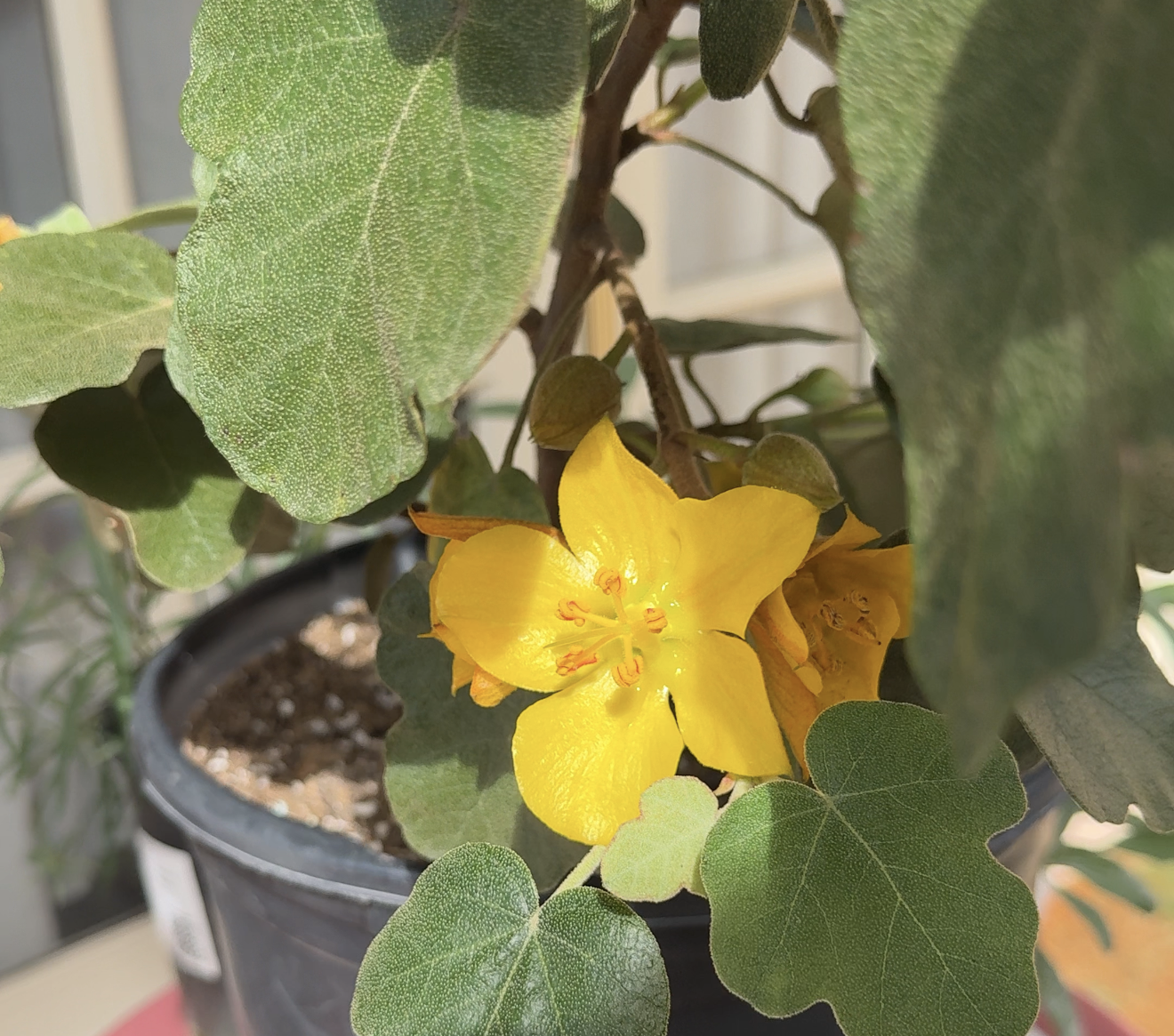
Flannel Bush – California Glory (Fremontodendron): Native to California. This fast growing plant can either be a small tree or a large shrub depending on training and pruning. Expect velvety leaves and abundant golden flowers that bloom in spring and summer.
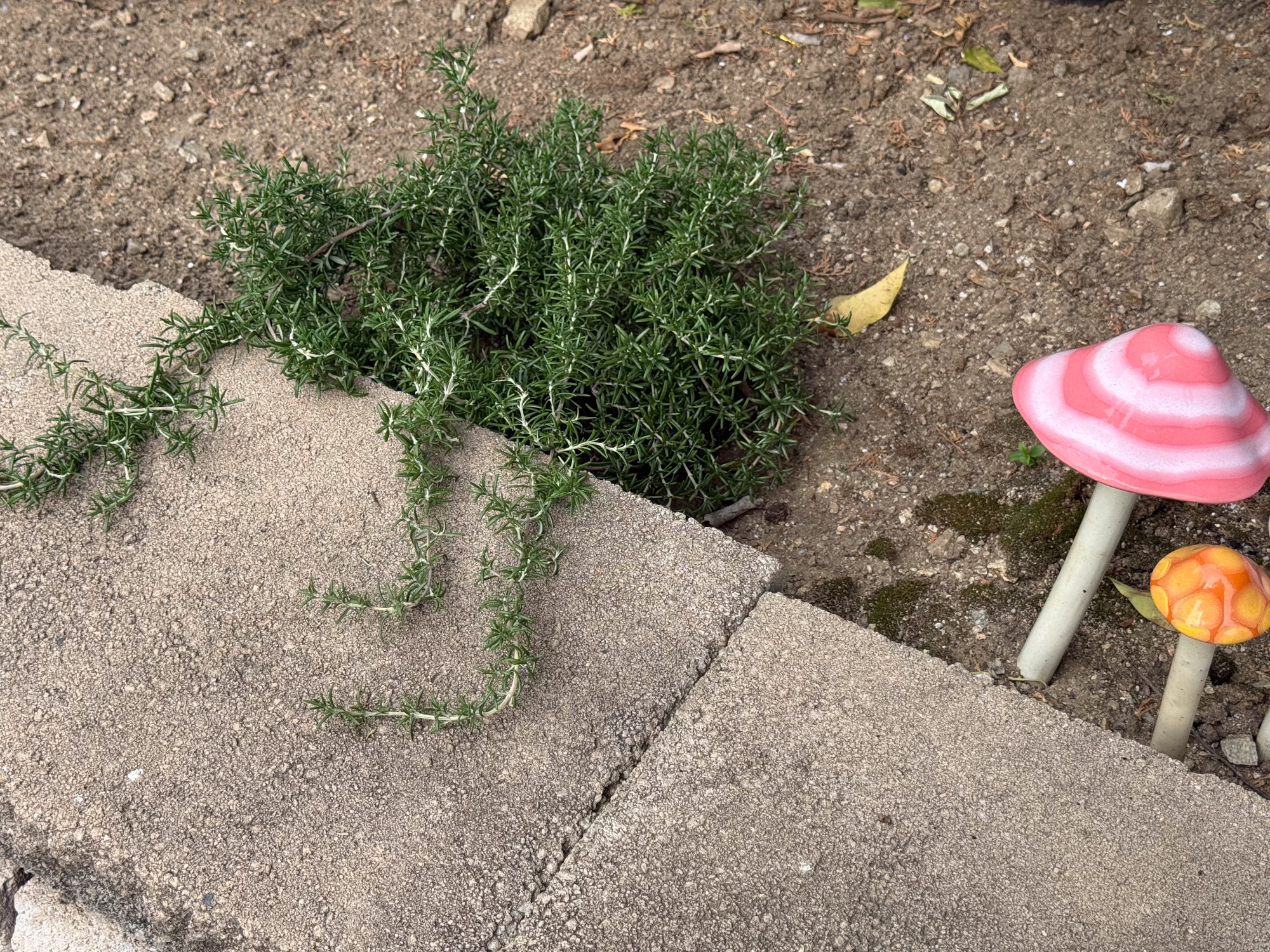
Rosemary Huntington Carpet (rosmarinus officinalis): Native to the Mediterranean region. A hardy ground cover with needle-like, dark green foliage. I planted ours against a terraced wall as this variety likes to “shower” or “cascade”! Light blue flowers bloom mainly in spring, and will occasionally bloom in summer and fall. Edible
Fun Fact: though this is not a California native, it was first developed at the Huntington Botanical Gardens in San Marino, California.
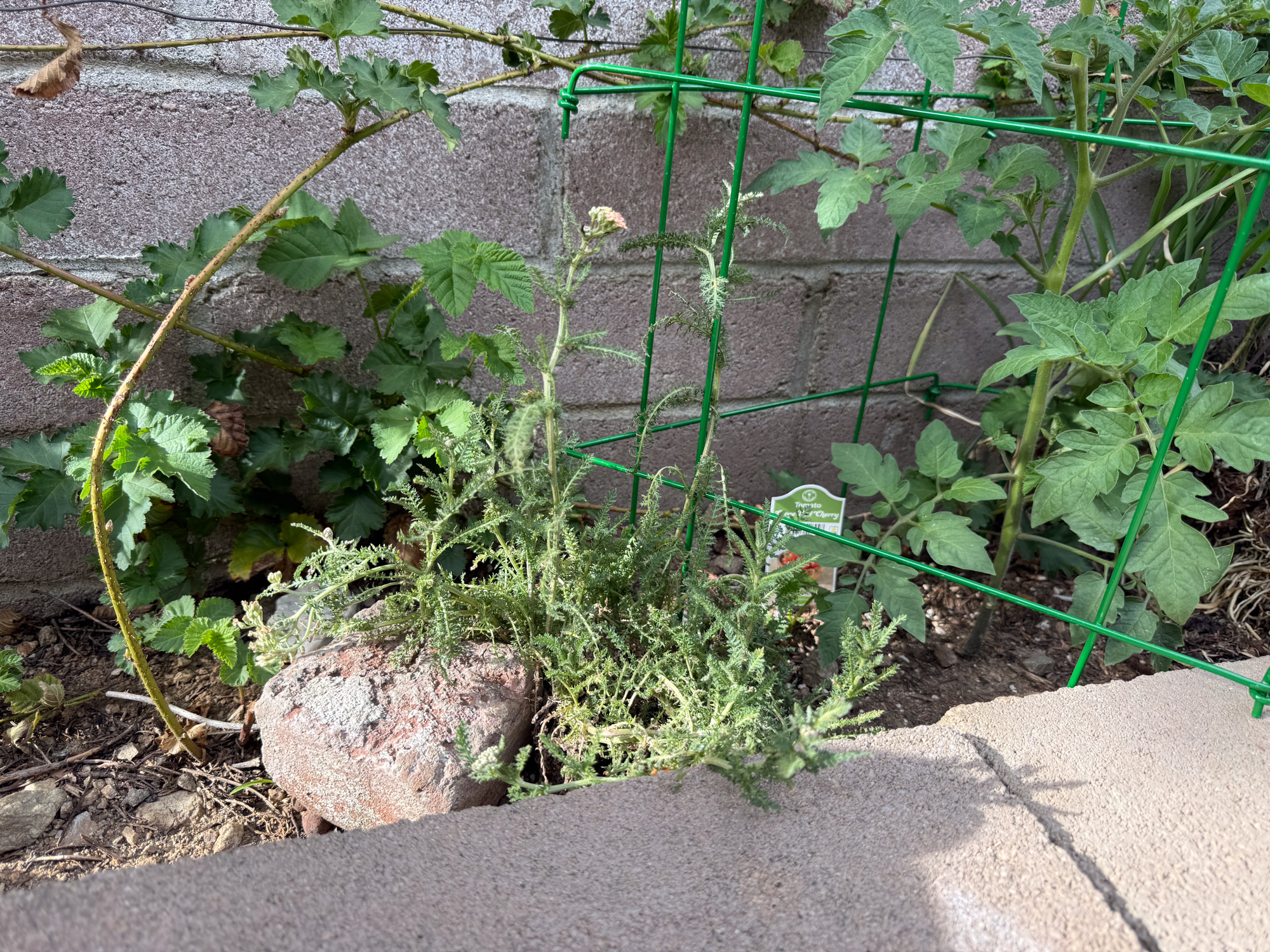
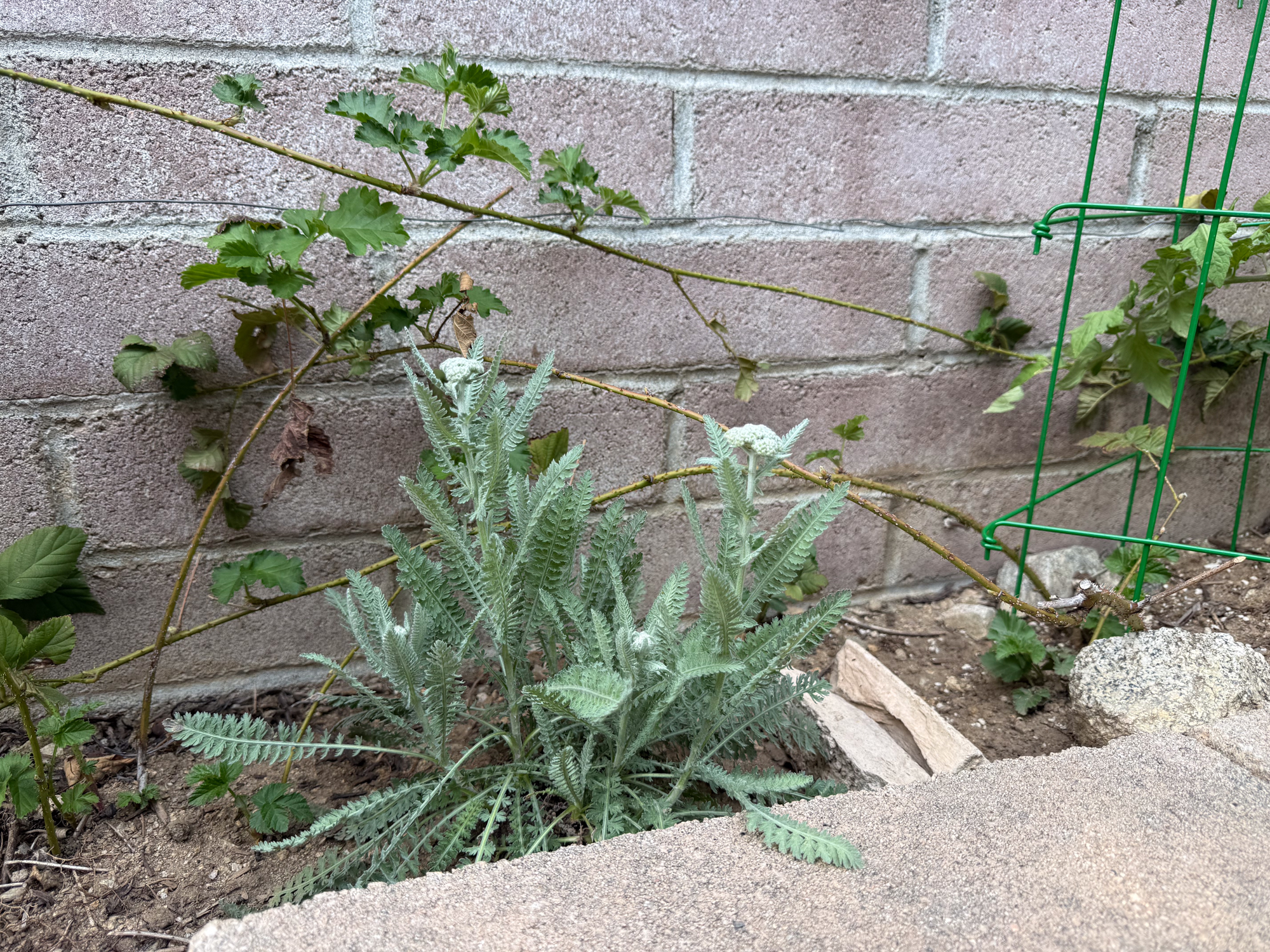
Yarrow: Native to much of the Northern hemisphere, including California. They come in a variety of color flowers and have green fernlike leaves. A good nectar source for butterflies.
Yarrow Moonshine: A hybrid derivative of native CA yarrows. Non-native, but considered California friendly. Has fernlike silvery-grey leaves with bright yellow flowers (I can tell that ours is about to bloom!). One of the most carefree and generously blooming perennials in SoCal.
I found that I wanted to get my hands on a couple of other pollinator-friendly plants this season. I put together a list from some content that Armstrong Nursery shared on instagram. I went to them first to find the plants, but they didn’t end up having them in stock.
How to start a stunning native pollinator garden • Burpee
They’ve been around a long time and my dad trusted them, so I do too! I also got a paper with a coupon code in my shipment if you’d like to try it. Code PLANT10 should give you $10 off $50.
Butterfly Blue Scabiosa: Produces a bounty of 2″ pincushion-type flowers that attract butterflies and are insect and disease resistant. Blooms from May to frost. Be sure to deadhead for continuous blooms. Just received this one in the mail, so haven’t planted yet.
Monarch Magic Ageratum: Monarch butterflies are known to flock to the dense, glowing clusters of lavender-purple-blue blooms. Recommended to plant in baskets as they love to overflow. I will find another spot along our terraced wall. Awaiting this one to arrive.
Lastly, don’t get too sad if some plants don’t make it. This is part of the process, learning and honing your personal gardening strategy. Everyone has different lifestyles and time constraints, so make gardening work for you. It is supposed to be fun and rewarding, not stressful, so don’t forget that! Next up I will detail where I’ve been acquiring all of my edible garden essentials and plants. Stay tuned!









COMMENTS +